
In today’s fast-paced digital world, where smartphones, social media, and streaming platforms dominate our daily lives, the habit of reading books is becoming less common. However, books continue to be one of the most valuable sources of knowledge, inspiration, and personal growth. Reading is not just a hobby; it is a lifelong skill that enriches the mind, improves communication, and helps individuals develop a deeper understanding of the world.Whether you enjoy fiction, non-fiction, biographies, self-help books, or academic materials, every book offers a unique opportunity to learn something new. This article explores the importance of reading books and why developing a reading habit can positively impact every aspect of your life.
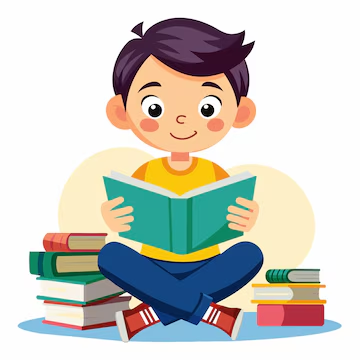
Reading Expands Knowledgde
One of the greatest benefits of reading books is the opportunity to gain knowledge. Books provide detailed information on countless topics, including science, history, technology, business, psychology, health, and personal developmen
. Improves Vocabulary and Language Skills
Reading regularly exposes readers to new words, sentence structures, and writing styles. Over time, this naturally improves vocabulary, grammar, and language proficiency.
People who read frequently often communicate more effectively because they are familiar with a wider range of expressions and writing techniques. Improved language skills are especially valuable for students, professionals, writers, and anyone who wants to express ideas clearly.
A strong vocabulary also enhances reading comprehension and helps individuals understand complex information more easily.
Enhances Critical Thinking
Books encourage readers to think deeply about ideas, situations, and problems. Whether reading fiction or non-fiction, readers analyze characters, evaluate arguments, identify themes, and consider different viewpoints.
This process strengthens critical thinking skills, enabling individuals to solve problems more effectively and make informed decisions. Reading teaches people to question assumptions, evaluate evidence, and think independently rather than simply accepting information at face value.
Boosts Creativity and Imagination
Books stimulate the imagination in ways that movies and television often cannot. When reading a novel, readers create mental images of characters, settings, and events based on the author’s descriptions.
This imaginative process strengthens creativity and allows readers to experience entire worlds through their minds. Fiction, fantasy, science fiction, and adventure stories are particularly effective at expanding creative thinking.
Reduces Stress and Promotes Relaxation
Reading can serve as an effective way to relax after a busy day. Immersing yourself in a good book allows your mind to temporarily escape daily worries and focus on an engaging story or informative topic.
Many people find that reading before bedtime helps them unwind and improve sleep quality by reducing screen time and mental stress. Unlike scrolling through social media, reading encourages calmness and concentration.
Even reading for just 20 to 30 minutes each day can significantly reduce stress levels and improve overall mental well-being.
Improves Focus and Concentration
Modern technology constantly competes for our attention through notifications, emails, and social media updates. Reading books requires sustained focus, helping readers strengthen their attention span over time.
Unlike multitasking online, reading encourages complete concentration on one activity. This practice trains the brain to stay focused for longer periods, improving productivity in school, work, and daily responsibilities.
Strengthens Memory
Reading involves remembering characters, plots, facts, concepts, and relationships throughout a book. This continuous mental exercise stimulates the brain and strengthens memory.
Each new piece of information creates connections within the brain, improving cognitive function. Regular reading helps keep the brain active and may contribute to maintaining mental sharpness as people age.
For students, reading also supports better academic performance by improving comprehension and recall.
Builds Empathy and Emotional Intelligence
Reading fiction allows readers to experience life through the perspectives of different characters from diverse backgrounds and cultures. By understanding their emotions, struggles, and motivations, readers develop greater empathy and compassion.
This emotional connection improves interpersonal relationships by helping people understand others more effectively.
Books also encourage self-reflection, allowing readers to better recognize and manage their own emotions.
Encourages Lifelong Learning
Learning should never stop after formal education ends. Books make lifelong learning accessible to everyone regardless of age or profession.
Whether learning a new language, developing financial literacy, improving leadership skills, or exploring history, books provide valuable resources for continuous personal growth.
Successful individuals often credit reading as one of the habits that contributed to their achievements because it allows them to constantly expand their knowledge and skills.
Provides Entertainment Without Distractions
Reading exposes individuals to excellent writing techniques, storytelling methods, sentence structures, and communication styles.
Aspiring writers naturally improve their writing abilities by observing how experienced authors organize ideas, develop characters, and communicate effectively.
The more you read, the easier it becomes to write clearly, creatively, and confidently.
Tips for Building a Reading Habit
Developing a reading habit does not require spending several hours every day. Small, consistent efforts can make a significant difference.
- Read for at least 20 minutes daily. Carry a book or eBook wherever you go. Choose topics that genuinely interest you. Set realistic monthly reading goals. Join a book club or reading community. Replace some screen time with reading. Keep a notebook to record useful ideas and quotes.
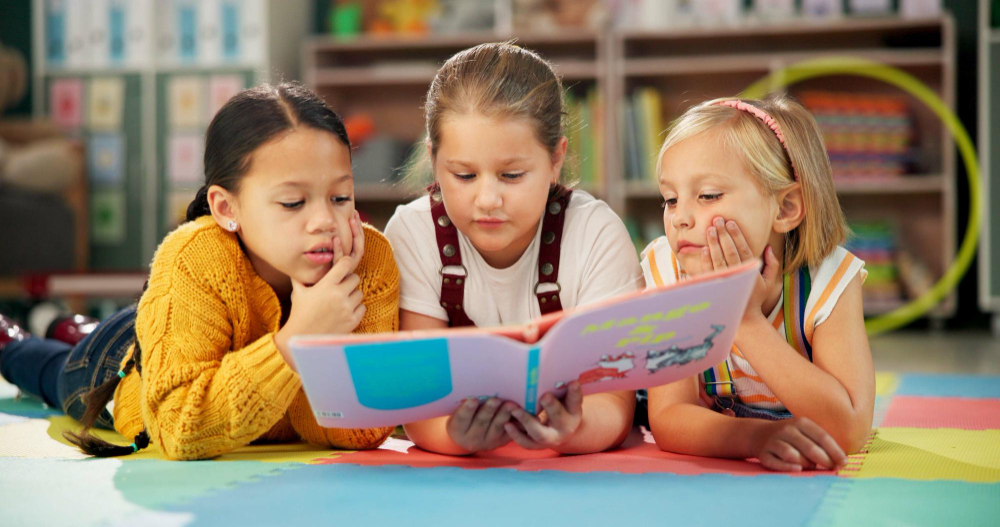
Conclusion
Reading books remains one of the most powerful habits for personal, academic, and professional development. Books expand knowledge, improve communication skills, enhance critical thinking, strengthen memory, reduce stress, and inspire creativity. They help readers understand different cultures, develop empathy, and continue learning throughout life.
In an age where digital distractions are everywhere, making time to read is an investment in yourself. Every book you read contributes to your knowledge, broadens your perspective, and helps you become a more informed, thoughtful, and capable individual.
No matter your age or profession, developing a regular reading habit can transform your life in countless ways. As the saying goes, “A reader lives a thousand lives before they die, while the person who neve
What is a famous quote about reading habits?
reading is the essential skill that help reader to communicate and understand the world
What is a famous quote about reading habits?
a reader lives a thousand lives before dies
What is the importance of reading habits?
reading habbits are crucial for cognitive and personal growth
What is a good reading habit?
- Make a Habit of Daily Reading.
- Let Students Choose Their Books.
- Make Reading Interactive and Fun.
- Read Aloud Together.
- Utilise Technology.
- Celebrate Progress and Set Goals.
- Incorporate Reading into Daily Life.
- Regular Library Visits.